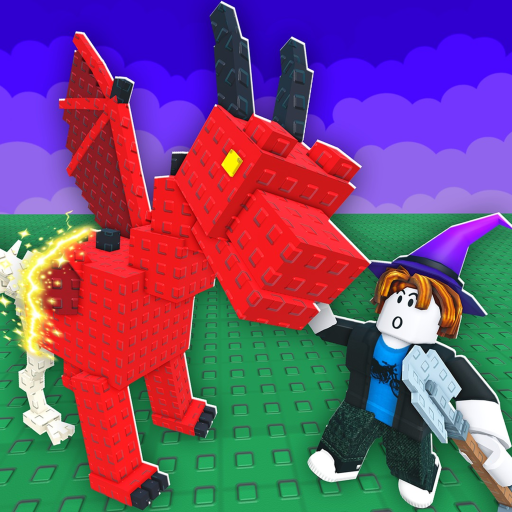
RobloxIncremental simulator

Find Animal Bones Wiki

Dig underground. Complete skeletons. Bring animals back to life.

Welcome to the Find Animal Bones Roblox BONES BONES fan wiki. The game combines excavation and animal collection. Buy pumpjacks, turn junk into Ducats for equipment, and find the missing pieces of animal skeletons. This Find Animal Bones Roblox wiki connects those tasks with practical guides, scoped comparisons and a purchase budget tool. Open the Find Animal Bones Roblox official experience to play; this independent site helps you choose what to work on next.

Developer
BONES BONES
Created
Oct 9, 2026
Visits
1.94M
Approval
89.8% ยท 2,970 votes
From the first Winch to the first revived animalFollow the opening Find Animal Bones excavation, junk handling and Chicken revival. The recording supplies gameplay context rather than a guaranteed pace for your own collection.49:09
Game type
Simulation
Max players
6
Device info
PC
Genre
Incremental Simulator
Snapshot checked
Oct 25, 2026

Unofficial fan resource. The game is developed by BONES BONES; Roblox and game assets belong to their respective owners.

First session

Find Animal Bones Beginner Guide: the First Full Loop

Begin Find Animal Bones with one animal target and one equipment savings goal. The official loop connects both: buy pumpjacks, dig for discoveries, turn junk into Ducats, and complete skeletons before revival. Treat the route below as a useful introduction, rather than a mandatory order for every purchase.

First finish line Aim for a completed animal skeleton and a clear idea of which equipment purchase you want next in the game. A new animal and an understandable budget are easier to build on than an unexplained pile of machines.

Already digging?Keep the Find Animal Bones loop you already know and open the guide for the step that is still unclear. You do not need to restart the opening because a later collection goal has become interesting.

  1. Put excavation first

    You are learning how finds enter the Find Animal Bones collection loop.

    • Buy equipment you intend to use, then continue into digging rather than treating the shop transaction as the whole goal.
    • Choose one incomplete animal to follow while allowing useful discoveries elsewhere to count.
  2. Give ordinary finds a purpose

    Your Find Animal Bones animal goal is still unfinished, but resources are accumulating.

    • Turn junk into Ducats for the next useful equipment purchase.
    • Keep the money goal separate from the missing pieces needed by the animal skeleton.
  3. Finish the animal task

    Your latest discovery supplies a piece your chosen skeleton needs.

    • Follow useful bones into the matching skeleton and keep working toward its completion.
    • After revival, choose another unfinished animal rather than leave the completed creature on the same open task list.
Keep the next action small

For a first Find Animal Bones session, one completed animal can be enough. Use Find Animal Bones beginner guide for the surrounding budget choices and a simple plan for returning later.

Follow the full opening route
Reward availability

Find Animal Bones Codes: No Confirmed Active List

No active Find Animal Bones code or redemption interface was confirmed in the October 25, 2026 review. The empty list is a dated status, not a claim that a code system can never be introduced. Continue normal progression while checking the exact gameโ€™s official announcements. No Halloween reward code is listed.

Open the code-status page
Unconfirmed

No verified reward strings. Keep the ordinary loop moving

An event title or a quest reward is not itself a redeemable code. No placeholder strings or borrowed codes are listed.

Match the experience

Use the exact Find Animal Bones Roblox page, rather than a similarly named digging or animal game.

Check creator context

Start with BONES BONES for an announcement that actually names this experience and the reward terms.

Separate reward types

Keep ordinary quests and animal revival separate from an announced redemption code.

Keep dates meaningful

An unknown code is not marked expired, and a seasonal theme does not establish a deadline.

Future code announcements

This Find Animal Bones page records a review, rather than promising continuous live monitoring. Return to the status page for the published scope.

Review the current listing
Collection choices

Find Animal Bones Tier List: Animal Skeletons by Total Pieces

Choose a new Find Animal Bones skeleton target with a small, explicit comparison: lower recorded total pieces first. This editorial S/A/B/C order covers Fox, Bear, Crocodile and Gorilla. It compares assembly requirements, not pet power, rarity, drop probability or a guaranteed finishing time.

Editorial comparisonLower recorded total first

Part 1 records Fox and Bear counters; Part 2 records Crocodile and Gorilla. The denominators give total skeleton pieces in those Find Animal Bones sessions. This is a fresh-target comparison within that sample, rather than an official rating of every animal.

  • Recorded total piece requirement
  • Lower total first within this four-animal sample
PriorityAnimal skeletonRecorded requirementWhen to pursue it
S
FoxAnimal skeleton
Recorded requirement
  • 8 total bones in Part 1
  • Lowest total in this four-animal sample
When to pursue it

If you want a smaller fresh assembly target, consider Fox. Keep an already advanced animal if finishing that skeleton matters more to you.

A
BearAnimal skeleton
Recorded requirement
  • 12 total bones in Part 1
  • Four more total pieces than Fox
When to pursue it

Choose Bear if it is the animal you want next; compare your own missing pieces before switching away from another nearly finished skeleton.

B
CrocodileAnimal skeleton
Recorded requirement
  • 16 total bones in Part 2
  • Four more total pieces than Bear
When to pursue it

Keep Crocodile as a collection goal when its skeleton is already progressing. The larger total does not establish stronger pet effects.

C
GorillaAnimal skeleton
Recorded requirement
  • 17 total bones in Part 2
  • One more total piece than Crocodile
When to pursue it

Pursue Gorilla because you want the animal or already have useful progress. This grade does not mean the pet is bad or that it takes longer in every session.

Find Animal Bones has more named animals than these four. The order is scoped to the documented sample, not a complete live roster.

From skeleton to animal

Find Animal Bones: How to Revive Animals

Complete the animal skeleton before expecting the revived result. Find Animal Bones makes revival the bridge from assembled bones to a pet collection; a discovered animal name and a finished animal are different states. The opening Chicken example shows that change directly.

Finish the animalโ€™s skeleton

  1. 1

    Follow useful pieces into assembly

    Find Animal Bones ties revival to a completed skeleton. Keep the matching animal in view when a useful missing bone appears, and continue through the assembly action. A collection of discoveries still waiting to be used is not the same result as a finished animal.

    The skeleton task is finishedThe required assembly has reached completion for that animal.

Recognize the new collection result

  1. 2

    Chicken shows the transition

    The opening Find Animal Bones gameplay reaches the final Chicken bone, revives the Chicken, and shows it following the player. Use that as an example of the sequence, rather than copy one animalโ€™s requirements onto every other creature.

    The animal is revivedChicken follows the player in the opening example.
  2. 3

    Choose the next unfinished animal

    After a Find Animal Bones revival, move that creature out of your unfinished plan. Choose another skeleton that interests you. You can value the revived animal as a collection achievement without assigning it a guessed luck, money or digging bonus.

    The next animal is chosenOne unfinished skeleton is your new collection goal.
When completion stalls

Find Animal Bones Skeletons: Missing Pieces and Duplicates

A familiar animal name does not guarantee that the piece is new. Find Animal Bones gameplay shows repeated bones while other parts of the same skeleton remain missing. Keep the actual assembly gap separate from the number of discoveries you have seen.

Another bone, but the skeleton still has a gap

Your Find Animal Bones target is unfinished and another familiar piece appears.

What the find meansThe discovery may repeat a piece you already have. Near completion does not make the next find a guaranteed missing part.

Keep the right distinction
Decide whether this piece actually advances the animal. The Find Animal Bones missing bones guide keeps discovery and useful assembly progress together. Do not treat every repeated animal name as proof that the skeleton is one step closer.
Leave room for other progress
Keep one Find Animal Bones animal as your focus, while accepting useful pieces for other skeletons. This is an attention choice, not a way to change the next discovery or guarantee a final bone.

A repeat seems unwanted

You are sorting a Find Animal Bones bone that may no longer help the collection.

What the find meansA useful missing piece and a duplicate have different collection purposes; the demonstrated Chicken disposal happens after revival.

Preserve the collection use
Keep a piece that still advances the matching skeleton. Once you have decided a find is unwanted, Find Animal Bones the shredder guide explains the disposal role shown in gameplay.
Return to assembly
After sorting, return to the unfinished Find Animal Bones animal. The useful result is a missing piece added to its skeleton, rather than merely another discovery with a familiar name.
Resource decisions

Find Animal Bones Junk: Earn Ducats for Equipment

Use the junk loop to fund a purchase you actually want. Find Animal Bones connects collected junk with Ducats for better equipment, while useful missing bones serve the animal collection. Keeping those destinations separate makes an ordinary excavation run easier to value.

Junk โ†’ Ducats โ†’ equipment

Sort by the job a find can do

In Find Animal Bones, junk supports the money side while a useful bone supports its animal skeleton. Gameplay shows the shredder handling junk and unwanted duplicate Chicken bones after revival. Make the collection decision before disposal; an ordinary appearance is not a reason to discard a piece the skeleton still needs.

  • Use Find Animal Bones selling junk for the demonstrated disposal action.
  • Keep the animal target beside the equipment goal, so both kinds of progress remain visible.

Budget from money already available

Choose the Find Animal Bones purchase you are considering and compare its current price with your actual Ducat balance. A pile of collected finds and an expected quest reward are not yet the same as money you can spend. The calculator uses your balance, unit price and chosen reserve without assigning guessed equipment costs. The Find Animal Bones spending guide explains the purchase decision after the arithmetic.

The useful budget resultA purchase total or shortfall from the numbers you entered.

Give the next purchase a role

For equipment spending, decide what you intend to use after the shop visit. Buy because the device belongs in your session, or retain the savings for a clearer goal. A higher price is a cost, not proof of a universal best machine or guaranteed rare animal.

  • If the balance is short, continue the junk loop toward that specific gap.
  • If the purchase is affordable, decide whether it still serves the collection you want to advance.
A longer collection goal

Find Animal Bones Pet Collection: Plan the Next Animal

Keep revived animals separate from unfinished skeletons. Find Animal Bones can move several creatures forward in one session, so your collection plan should recognize both completed results and useful work still underway. Choose one immediate target without treating the whole roster as urgent.

Record the result you have actually reached

Within the collection, a new animal name, an incomplete skeleton and a revived pet describe different stages. Keep finished animals in one group and unfinished targets in another. This short distinction makes a revival visible as an achievement, rather than leave the same creature on an open task list indefinitely.

Choose a creature for a reason you care about

A Find Animal Bones target can be an animal already underway, an unfamiliar discovery, or simply a creature you like. Those are personal collection priorities. A dramatic name does not need a guessed luck or currency bonus to be worthwhile, and a recorded piece total does not determine which animal you will finish first.

A manageable targetOne unfinished animal is your immediate focus while other useful discoveries still count.

Leave a small plan for returning

At the end of a Find Animal Bones session, note the next animal and the equipment purchase you are considering. That gives both useful bones and junk a destination when you come back. Change the target if your interests change; the note is there to reduce indecision, not impose a mandatory route.

Equipment choices

Find Animal Bones Pumpjacks: Buying and Manual Work

Buy pumpjacks for underground excavation, then put the purchase into use. The Find Animal Bones Winch has a concrete distinction worth knowing before buying another one: it needs manual operation. Keep that work, the shop selection and the Ducat budget in the same decision.

Understand the Winchโ€™s hands-on role

The opening Find Animal Bones sequence places the Winch, cranks it, claims a bone and adds it to a skeleton. The narrator later points out that another Winch means doing the work personally. Choose it with that manual task in mind, rather than assume another familiar device has no effect on your attention.

Take a purchase plan into the shop

Visit the Pumpjacks shop with a device in mind and an available Ducat balance. Gameplay shows buying and placement as separate actions, so continue into using the equipment after the transaction. Find Animal Bones pumpjack buying follows that acquisition task without assigning guessed prices.

A completed buying decisionYou have selected an affordable available device and put it into your digging routine.

Do not let changing stock choose for you

Find Animal Bones gameplay includes shop restocks and countdowns. Review the stock in your current visit; a refresh does not guarantee the device you wanted. If an alternative would use savings reserved for another goal, choose deliberately whether that purchase has a role now.

Other useful questions

Find Animal Bones guide questions

Where are the official game and creator pages?

Use the Find Animal Bones Roblox official experience to play and the BONES BONES community for creator context. This wiki is independent; it cannot grant rewards, handle purchases or recover accounts.

Is this the official Find Animal Bones wiki?

This Find Animal Bones Roblox wiki is a fan resource. It organizes gameplay explanations and editorial priorities, while the game belongs to BONES BONES. For a first-session route, use Find Animal Bones beginner guide.

Does Halloween mean a reward code is available?

The official Find Animal Bones page links a HALLOWEEN UPDATE event, but an event title is not a code. Find Animal Bones Halloween context covers Skeleton King and sweets mentioned in gameplay; exact schedules and exchange effects are not inferred from those mentions.

Does the Ducat calculator know current equipment prices?

No. The Find Animal Bones budget tool uses your balance, current unit price and protected reserve. It calculates equal priced purchases and a shortfall, rather than predicting discoveries or how long the money will take to earn.

Does expanding the hole guarantee a missing animal?

No such guarantee is asserted. The gameplay mentions hole upgrades, while Find Animal Bones hole expansion planning keeps the purchase separate from skeleton completion, fixed sizes and guessed animal unlocks.

What should I do when I need a smaller session goal?

Use the active Find Animal Bones quest as a concrete objective. Find Animal Bones quest examples include Chicken completion, Ducat earnings and shredding, followed by named animal pairs. Track the actual result the task asks for instead of treating every discovery as the same progress.