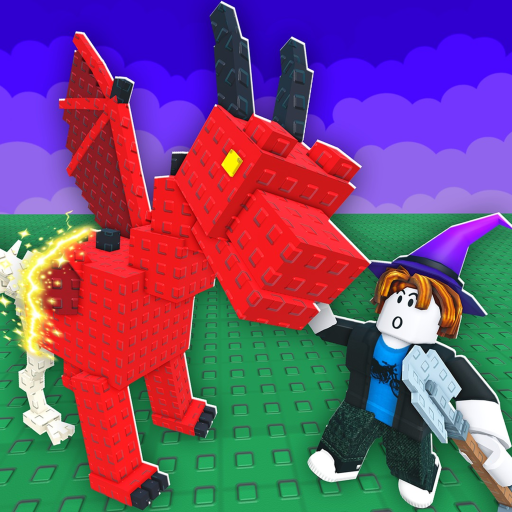
Find Animal Bones How to Complete Skeletons
Quick answer
- Completion rule: Find and add the missing bones for an animal skeleton before revival.
- Shown result: The final Chicken bone completes the skeleton, revives Chicken, and the animal follows the player in the opening gameplay.
Turn missing pieces into a complete animal
To complete a skeleton in Find Animal Bones on Roblox, find its missing bones and add them to that animal. This is the bridge between excavation and the revived pet collection. A bone discovery is useful because it can close a real gap in a skeleton, rather than simply add another item to a list of finds.
Choose the animal you want to work on and follow its actual completion progress. Keep that target specific. An unfinished skeleton and a revived animal are different states, so the final collection result comes after the required pieces are in place.
Chicken shows what the final piece changes
The opening gameplay reaches the final Chicken bone, revives the Chicken, and shows it following the player. That is a concrete example of the result you are working toward. The animal moves from an assembly goal into a living collection reward.
Use that example to understand the sequence, rather than to copy a piece count onto every animal. Each skeleton is its own task. A new animal does not become complete simply because you have already finished Chicken or because you recognize the creature’s name from a previous discovery.
The revival guide focuses on the result after assembly. This article stays with the missing pieces and the point where the skeleton reaches completion.
Focus on a skeleton without ignoring other finds
A useful plan is to choose one animal as your immediate finish line. Keep its incomplete state in mind when sorting discoveries, while allowing useful pieces for other animals to advance the wider collection. This is a way to keep the session understandable, not a claim that choosing a target changes what you find.
If you are working on several skeletons, note the one you want to return to first. That small choice reduces the feeling that every unfinished animal needs attention at once. You can still enjoy an unexpected discovery without rewriting the whole plan.
Do not confuse a larger collection with a completed skeleton. Progress spread across many animals can be useful, but revival belongs to the individual animal whose assembly is finished.
Keep the final assembly step in the loop
The bone needs to do its collection job. After a useful discovery, continue through the action that adds it to the skeleton. Stopping at the find can leave you with a memorable discovery but an unfinished animal goal.
If the process still feels disconnected, return to the digging guide. The opening sequence places the equipment, produces a discovery, claims the bone, and brings it into the skeleton. Seeing those actions together makes the assembly stage easier to recognize.
Choose the next animal after revival
Once an animal is revived, decide which unfinished skeleton you want to pursue next. This creates a natural stopping point or a clear beginning for the next session. You do not need to chase the entire roster immediately after the first completion.
Keep the wider collection in view, but let one finished animal count as a real result. The game’s premise is built around completing skeletons and bringing animals back to life. Following a missing piece all the way through assembly gives excavation a purpose you can see, from the early Chicken example to the next animal you decide to finish.