Find Animal Bones Animals and the Revival Loop
Quick answer
- Animal progression: Missing bones become completed skeletons, and completed animals are revived into the pet collection.
- Useful distinction: Keep a new animal discovery, an unfinished skeleton, and a revived pet separate in your plan.
Animals give excavation its collection goal
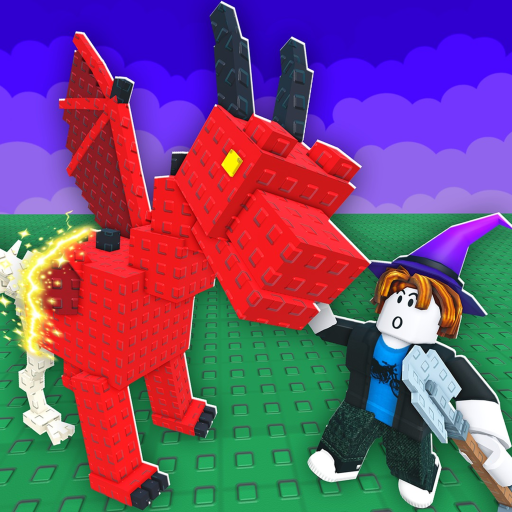
Animals in Find Animal Bones on Roblox are the creatures you work toward bringing back to life. The official premise connects digging, missing bones, skeleton completion, and revival with a growing pet collection. That sequence gives the discoveries a purpose beyond simply finding more objects underground.
When thinking about an animal, identify which stage you have reached. You may have encountered its name, started its skeleton, or already revived it. Those stages suggest different next actions, so it helps to avoid treating them as the same collection result.
Start with the unfinished skeleton
If the animal is still being assembled, focus on its missing bones. The useful discovery is the piece that advances the skeleton. Keep the animal you care about in mind while letting the rest of the collection progress through other finds.
Choosing a target is a planning preference, not a way to force a particular discovery. You can enjoy following one animal without expecting the game to complete it on your preferred schedule.
The skeleton overview explains this middle stage in more detail. It is the right next read when the animal exists as an ongoing assembly goal rather than a revived member of the collection.
Recognize revival as the completed result
The official collection premise places revived animals in a pet collection. Once a skeleton is complete and the animal is brought back, it has reached a different result from the unfinished creatures you are still pursuing.
Let that result count. Move the animal out of your unfinished plan and choose the next goal. You do not need to immediately rank it by a guessed bonus or decide that a later creature must replace its value as a collection achievement.
The pet collection guide keeps the wider set of revived animals in view. The collection can be a long term project while each individual revival remains a useful session milestone.
Choose animal goals for the way you want to play
Some players may prefer finishing a creature already underway. Others may care more about an unfamiliar discovery or the look of a particular animal. Those preferences can guide the next target without being presented as an official progression order.
Keep the immediate goal small enough to follow. If every unfinished animal feels equally urgent, choose one to watch during the next session. Useful discoveries elsewhere can still count as progress toward the larger collection.
For a more organized long term plan, use collection completion. It separates revived results from work in progress and keeps the next animal clear.
Keep equipment in service of the collection
Equipment purchases support excavation, while the animal skeletons supply the collection goals. Pair one purchase plan with one animal target if that helps you stay focused. The budget gives resource progress a purpose; the skeleton gives missing bones a destination.
There is no need to claim a universal strongest pet, a hidden money bonus, or a fixed completion time to explain why animals matter. The game’s stated goal is already concrete: complete their skeletons and revive them. Following that process makes each useful piece part of an animal you can bring back to life.