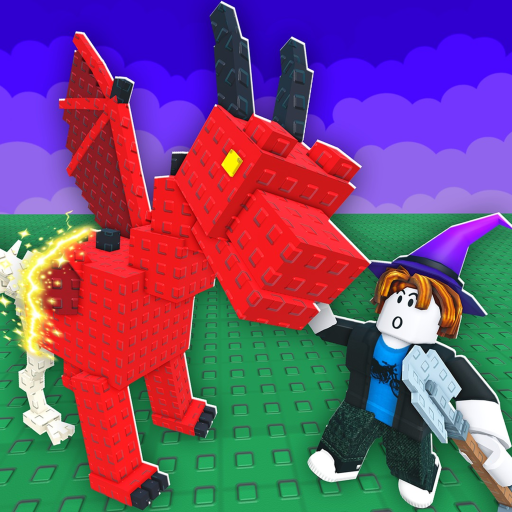
Find Animal Bones How to Plan Collection Completion
Quick answer
- Overall goal: Complete animal skeletons and revive the animals to grow the pet collection.
- Practical plan: Keep finished animals separate from unfinished targets, then choose one skeleton for your next session.
Make the full collection a sequence of smaller goals
Completing the collection in Find Animal Bones on Roblox starts with the same loop as your first revival: find missing bones, finish a skeleton, and bring the animal back to life. The full collection is a long term goal, while the next unfinished animal gives you a task you can act on now.
Avoid treating every creature as equally urgent. Choose one animal you want to advance during the current session, while accepting useful progress elsewhere. This is a planning method, not a way to control the next bone discovery.
Separate revived animals from work in progress
Keep a short list of animals already revived and another for skeletons still underway. This makes the collection easier to understand than one undifferentiated roster. A discovered name, an incomplete skeleton, and a revived pet are different stages.
When you finish an animal, update the note before choosing the next target. That small action lets completion count as a real achievement. It also prevents you from returning next time with a plan that still treats the finished creature as an open task.
Use the pet collection guide if you want to keep the revived results in perspective. The collection grows through those completed animals, not merely through recognizing more names in a video.
Choose the next target for a clear reason
You might prioritize an animal whose skeleton is already well underway, a creature you particularly like, or a new discovery that makes the collection more interesting to you. Each choice can be reasonable. There is no need to claim that one personal priority is the game’s mandatory completion order.
If you are close to several animals, choose the one you want to watch most closely and let the others remain secondary. This reduces the mental clutter of pursuing the entire roster at once.
A named reference can help you organize those goals. The animals list provides examples from gameplay, while your own collection determines which of those tasks are actually finished.
Keep equipment goals in a supporting role
The official loop uses Ducats from junk for better equipment. Pair that spending plan with your collection target instead of letting shopping replace the animal goal. A purchase can support excavation without being a collection completion in itself.
Before spending, name the animal you intend to return to afterward. If you have no clear reason for the purchase, keep the money for a decision you understand. This is an editorial budget habit, not a fixed upgrade requirement for a particular skeleton.
The spending guide helps when equipment choices are distracting you from the collection you meant to work on.
Recognize progress even before the next revival
A session may advance several skeletons without finishing your main target. Record the useful change rather than dismissing the whole run. Collection breadth and individual completion are different kinds of progress, and both can matter.
End with a clear return plan: the animal you care about next, the stage it has reached, and the equipment purchase you are considering. Keep the plan flexible enough to enjoy unexpected discoveries. Full completion remains the wider aim, but the next meaningful step is another missing piece put to use and another animal moved toward revival.