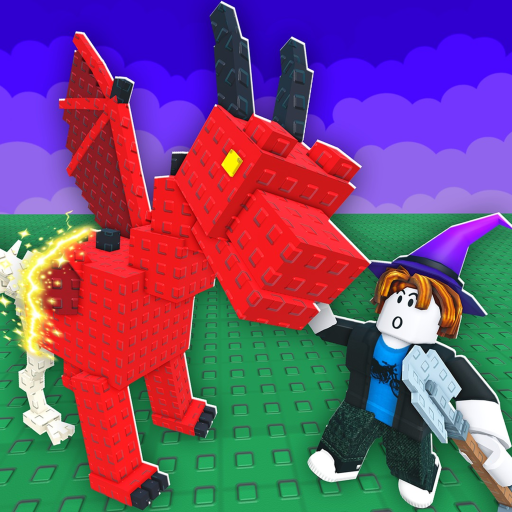
Find Animal Bones Animal Comparison by Skeleton Requirements
Quick answer
- Recorded counters: Gameplay records Fox at 8 total bones, Bear at 12, Crocodile at 16 and Gorilla at 17.
- Use the comparison: Those totals compare skeleton size, not pet strength, rarity, or guaranteed time to finish.
Compare the assembly task, not an assumed pet bonus
Animal comparison in Find Animal Bones on Roblox needs a clear dimension. The recorded skeleton counters provide one: Fox has 8 total bones, Bear has 12, Crocodile has 16 and Gorilla has 17. This is a narrow comparison of assembly requirements, rather than a ranking of pet power.
Use the counts to understand the size of those skeleton tasks. A larger total means more pieces belong to that skeleton. It does not by itself tell you which animal will finish first, which is rarer, or which revived pet supplies a better bonus.
Four recorded skeleton totals
Part 1 records Fox at five out of eight and Bear at ten out of twelve. Part 2 records Crocodile at 13 out of 16 and later Gorilla at 13 out of 17. The denominators are the useful totals for this comparison. The numerators describe that creator’s progress at those moments, not the starting state of every player’s collection.
| Priority | Animal | Total bones | How to use the comparison |
|---|---|---|---|
| S | Fox | 8 | Lowest total in this four-animal sample |
| A | Bear | 12 | Four more total pieces than Fox |
| B | Crocodile | 16 | Four more total pieces than Bear |
| C | Gorilla | 17 | One more total piece than Crocodile |
The S/A/B/C order is an editorial lower-total-first comparison for a fresh skeleton target. It is not an official pet-power tier or a fastest completion route. Keep working on an animal already close to revival if that is the goal you prefer; a smaller total elsewhere is not a reason to abandon useful progress.
These are documented examples, not a complete table of every animal in the game. Keep a counter in your current collection separate from the progress recorded in somebody else’s session.
Your missing pieces matter more to the next goal
When choosing which animal to pursue now, consider the progress in your own skeletons. A smaller total is not automatically closer to completion if you have barely started that animal. A larger skeleton may already have more of its task finished in your collection.
This is a planning comparison, not a method for controlling discoveries. You can choose the animal you want to watch most closely while useful pieces for other skeletons continue to matter.
The skeleton completion guide follows the actual assembly result. It helps keep a count comparison connected to the animal you are trying to revive.
Names provide a roster, rather than a strength order
Other named examples in gameplay include Chicken, Cow, Pig, Rabbit, Sheep, Fox, Wolf, Deer, Bear, Horse, Bat, Giraffe, Mammoth, Triceratops, T-Rex, Unicorn, Griffin, Phoenix, and Dragon. Use the animals list to recognize those targets.
The list does not establish an official rarity ladder or a strongest pet. A dramatic creature name can make an interesting personal collection goal without proving a numerical benefit. Keep identification, assembly requirements, and pet effects as different questions.
Choose the animal you want to finish next
If your immediate aim is another revival, pick an unfinished animal and follow the useful pieces toward completion. If your aim is variety, choose a creature that interests you. Both are reasonable collection priorities without needing a universal power ranking.
The comparison here remains deliberately concrete: four recorded skeleton totals and what those numbers mean for assembly. Use your current progress to choose the next target, then return to digging and completing pieces. The result you want is another animal brought back to life, rather than a larger denominator mistaken for a guaranteed better pet.