Find Animal Bones How to Revive Animals
Quick answer
- Requirement: Complete the animal skeleton with its missing bones before revival.
- Observed result: The final Chicken bone revives Chicken, which follows the player; revived animals belong to the pet collection.
Complete the skeleton to reach revival
Animal revival in Find Animal Bones on Roblox follows skeleton completion. Find the missing bones, add them to the matching animal, and finish that skeleton before expecting the revived result. The official game premise connects this process directly to growing your pet collection.
Keep revival separate from merely discovering a creature’s name. An animal can be part of your ongoing collection goal while its skeleton remains unfinished. The result you are pursuing is the completed animal brought back to life, rather than just another bone associated with it.
Chicken provides the first concrete example
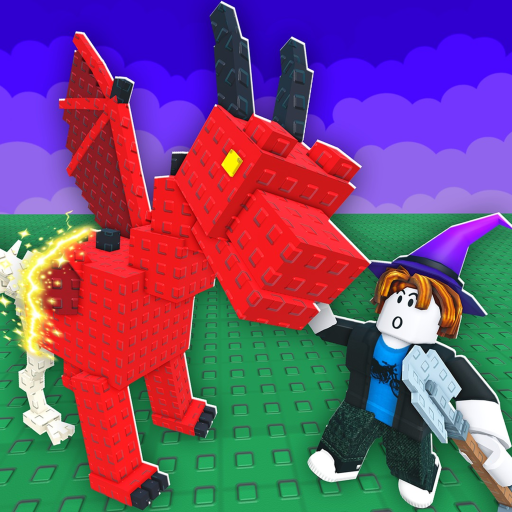
In the opening gameplay, the player reaches the final Chicken bone. The Chicken is revived and follows the player. This makes the relationship between assembly and the living animal easy to see: the last useful piece changes the collection result.
Use that example for the sequence, not as a universal description of every animal’s requirements. The number and identity of pieces belong to the skeleton you are actually completing. Finishing Chicken does not automatically finish another animal or make its remaining pieces unnecessary.
If your current problem is still assembly, the skeleton completion guide is the more direct next read. It follows the missing piece stage before the revived animal becomes the focus.
Treat the revived animal as a collection result
The official premise places revived animals in a pet collection. That is the supported reason to complete the skeletons: you are bringing animals back and adding to the collection. You can enjoy that achievement without assigning every pet a guessed luck, money, or digging bonus.
When deciding what to pursue next, choose an unfinished animal that interests you. The collection goal does not require a strength ranking to be meaningful. A familiar creature, an unusual discovery, or a skeleton already underway can all be sensible personal priorities.
The animal list gives named examples from gameplay if you want a clearer view of possible collection targets. It is a reference for animals discussed there, rather than a promise that every creature is currently complete in your own collection.
Move finished animals out of the assembly plan
After a revival, stop treating that animal as an unfinished skeleton goal. Choose the next creature and keep the plan short enough to follow. One completed animal can be a useful session finish line before you start pursuing the whole roster.
This habit also helps you recognize progress. If every animal stays on the same undifferentiated list, it becomes harder to see the difference between discoveries still underway and creatures you have already revived. The game’s central sequence becomes clearer when completion changes your next action.
Build the collection one completed skeleton at a time
You can pursue the full pet collection as a long term goal while keeping the immediate task small. Finish the current skeleton, recognize the revival, and select the next animal. The collection planning guide expands that approach for a larger set of unfinished targets.
There is no need to claim an exact completion time or a hidden pet benefit to make revival worthwhile. The result is already concrete: an animal whose skeleton you assembled is brought back to life. Keeping that connection visible gives each useful bone a clear destination and each finished animal a place in the collection.