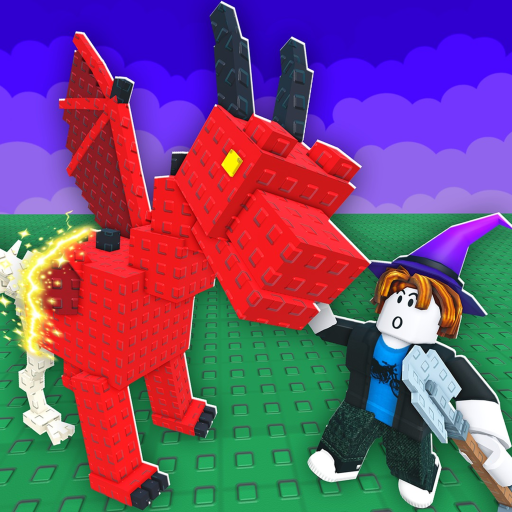
Find Animal Bones How to Find Missing Bones
Quick answer
- Main route: Dig for missing bones and use them to complete animal skeletons before revival.
- Near completion: Repeated pieces can still appear while another piece is missing; being close does not guarantee the next find finishes the animal.
Look for the piece that advances a skeleton
Finding bones in Find Animal Bones on Roblox is about more than collecting another object. Missing pieces complete animal skeletons, and completed skeletons lead to revival. Start by choosing an unfinished animal, then keep track of whether a discovery actually advances that skeleton.
Your chosen target organizes your attention. It does not make the next excavation produce a particular piece. You can care about one animal while still making useful progress on other skeletons through the finds that appear during the same session.
A repeated animal name may still be a duplicate
Gameplay shows repeated bone finds while other pieces remain missing. That means an almost finished animal can still take more excavation before the final piece appears. Do not treat every new find bearing that animal’s name as automatic progress.
The useful distinction is between a missing piece and one you have already added. A familiar animal name tells you which skeleton to think about, but it does not tell you that the piece is new. This matters most when the remaining gap is small and your expectations are high.
The duplicate bones guide focuses on that situation. It explains why near completion should change what you pay attention to, rather than become a promise about the next discovery.
Keep discovery and assembly connected
Once you have a useful missing bone, follow it into the matching skeleton. The collection goal is a completed animal, so a find only becomes skeleton progress when the relevant assembly action is finished. Do not let the excitement of the discovery replace that next step.
If several animals are moving forward at once, keep a short note of the one you most want to finish. This lets you recognize the important piece without ignoring useful discoveries elsewhere. You do not need a complete map of every animal to make the next assembly decision.
For the next stage, read how to complete skeletons. That guide follows the piece toward the revived animal rather than treating the excavation result as the end of the task.
Avoid planning around a guaranteed final bone
A skeleton that is nearly complete is a good focus for your attention, but it is not an appointment with the next find. Do not build the whole session around an immediate guaranteed revival. Repeats can occur while another piece is still missing.
Choose a second useful goal alongside the animal if that helps. You might continue advancing the rest of the collection or work toward an equipment purchase. This gives the session another purpose without claiming that changing goals changes the underlying discoveries.
A failed prediction is not proof that the animal is impossible to finish. It may simply mean the piece you wanted has not appeared yet.
Measure progress across the collection
When your main animal stays unfinished, check what other skeletons advanced. A find can be useful even if it was not the one you hoped for. This wider view keeps a run of repeats from hiding the collection progress you have already made.
Return to the target when you are ready, keep useful missing pieces, and continue the excavation loop. The practical goal is to recognize and use the bone that advances a skeleton. A fixed location list or a promised drop chance is not needed to understand that next action.