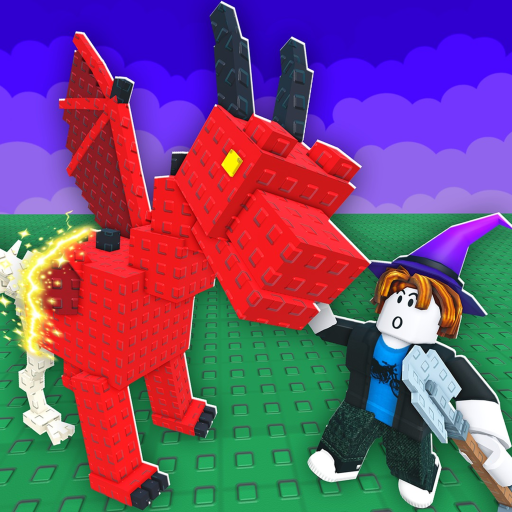
Find Animal Bones Beginner Guide: Digging and Revival
Quick answer
- Start digging: Buy pumpjacks, uncover junk and missing bones, and keep both parts of your excavation moving.
- Build progress: Turn junk into Ducats for equipment; finish animal skeletons to revive pets.
Give your first session one finish line
Your first goal in Find Animal Bones on Roblox should be a completed animal skeleton, with a working way to fund the next piece of equipment. Those goals belong together. Digging supplies the finds, junk pays for better equipment, and missing bones turn an unfinished skeleton into a revived animal for your collection.
Treat the opening as a loop you are learning, rather than a race to buy everything. A session that ends with a new animal and money reserved for a useful purchase gives you a clearer next step than a session spent collecting equipment without checking your skeletons.
Move finds toward their two destinations
The official game description gives junk and bones different jobs. Junk becomes Ducats; missing bones complete skeletons. When you return from digging, decide which kind of progress each find represents. Money progress supports future equipment, while collection progress brings an animal closer to revival.
Do not judge an excavation only by whether it produced a spectacular animal discovery. A batch of ordinary junk can still fund the equipment side of the loop. Equally, a useful bone matters even if your Ducat balance barely changes. Keeping those goals separate makes an uneven run easier to understand.
A simple session note is enough: write down the animal you want to finish and the equipment purchase you are saving for. You do not need a complicated checklist before starting. The point is to recognize a useful find when it arrives, rather than measure everything by money alone.
Spend toward the next excavation
Better equipment is the intended use of the Ducats you earn from junk. Before buying, choose what you want the purchase to help you do. If you are still learning how excavation connects to skeleton progress, prefer a purchase you understand over an expensive item chosen only for its appearance.
Keep your current balance and intended purchase price together when planning. The Ducat budget tool can do the subtraction with numbers you enter from your own game. Its result is a budget, so it should help you decide how much to save rather than promise a certain animal or a fixed earning speed.
Once you are ready to shop, the pumpjack buying guide focuses on that step. There is no need to memorize a complete equipment catalog before you have completed the basic cycle yourself.
Finish the skeleton before chasing the whole collection
Animal revival follows skeleton completion. Focus your attention on one incomplete animal while allowing other discoveries to accumulate naturally. That focus is a planning choice, not a claim that selecting an animal changes what you dig up.
After finishing a skeleton, confirm the resulting animal in your collection, then choose another target. This gives each session a visible result. Trying to finish every animal at once makes it harder to notice that you have already moved several of them forward.
Leave yourself a useful next session
Before you stop, note your next animal target, your Ducat balance, and the purchase you are considering. Those three details connect the collection and equipment halves of the game without adding chores.
When you return, resume the unfinished goal first. If your interests change, pick a different animal and keep the same excavation loop. You can enjoy collecting unusual finds without turning an editorial beginner route into a mandatory order. The game’s larger aim is a revived animal collection; your immediate aim is simply the next meaningful addition.