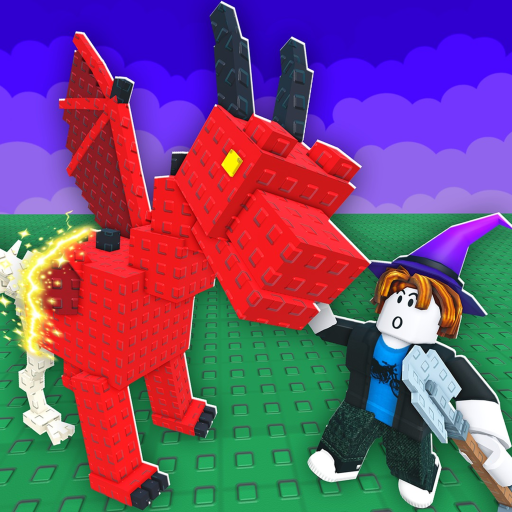
Find Animal Bones Animals List and Collection Targets
Quick answer
- Named examples: Gameplay includes farm animals, wild animals, prehistoric creatures and fantasy creatures as bone or collection targets.
- List scope: These are named examples, not a complete live roster or a rarity and power ranking.
Use the list to recognize animal targets
The Find Animal Bones on Roblox animal list below gathers names spoken or shown as bone targets in gameplay. It helps you recognize discoveries and decide which unfinished skeleton interests you. A name appearing here does not mean you have completed that animal in your own collection.
The list mixes familiar animals with prehistoric and fantasy creatures. The groups are reading aids, not official rarity tiers. Do not interpret the order as a purchase route, a drop probability, or a strength comparison between pets.
Familiar and wild animal names
Named examples include Chicken, Cow, Pig, Rabbit, Sheep, Fox, Wolf, Deer, Bear, Horse, Crocodile, Bat, Giraffe, and Gorilla. Use these names to connect a discovery with the animal you are assembling.
Chicken is especially useful as an opening example because gameplay reaches its final bone and shows the revived animal following the player. Other familiar animals remain their own collection tasks. Knowing that Chicken is complete does not tell you whether Cow, Sheep, or another skeleton has all the pieces it needs.
You can organize your own notes into animals you have revived and animals still underway. That division is more useful for collection progress than copying the list into a single column without recording which results you have actually reached.
Prehistoric and fantasy creature examples
The same gameplay includes Mammoth, Triceratops, T-Rex, Unicorn, Griffin, Phoenix, and Dragon as named bone or animal targets. These names expand the range of the collection, but they do not establish exact rarity odds or a guaranteed method for obtaining each piece.
Choose a creature because it interests you or because its skeleton is already progressing. That is a personal collection priority. It does not need to be presented as the strongest pet or a mandatory target before every other animal.
Keep spelling and identity consistent when making your own checklist. A collection note is most useful when you can match it to the actual animal rather than a vague description such as the large dinosaur or the flying creature.
Track the result beyond the name
Recognizing an animal is only the beginning of its collection task. Missing bones complete a skeleton, and completion leads to revival. Track those stages separately so that an exciting new name does not get mistaken for a finished pet.
The revival guide follows the result after assembly. The skeleton guide explains the unfinished stage. Use the guide that matches where your chosen animal actually stands.
If you want to compare the size of a few documented skeleton tasks, animal comparison keeps the recorded counters separate from pet strength. A larger piece count is an assembly requirement, not proof of a better reward.
Keep room for changes in the collection
This reference is a set of named examples from gameplay, rather than an exhaustive current-version catalog. Add newly encountered animals to your own collection notes as you play, and keep your revived results distinct from unfinished targets.
For a longer collection plan, choose one animal to finish next while allowing the others to advance naturally. The collection planning guide helps keep that wider goal manageable. The point of the list is recognition and planning, not to promise that every creature follows a fixed order or that the roster can be completed on a guaranteed schedule.